EFTEDRA builds Claude Assistant tasks and coach views that install directly into IBM Business Automation Workflow — document classification, data extraction and safe self-service configuration, inside the processes your teams already run.
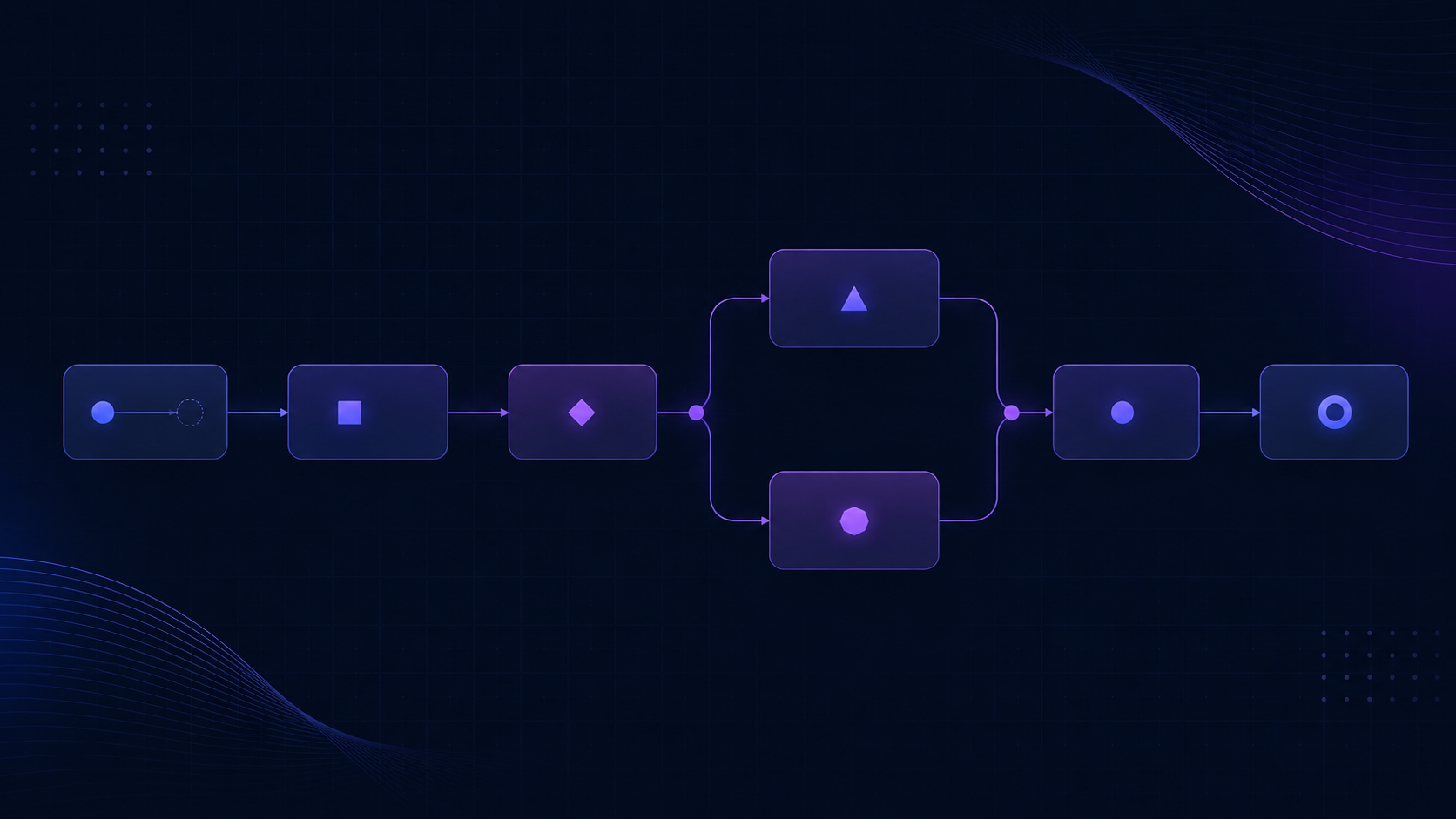
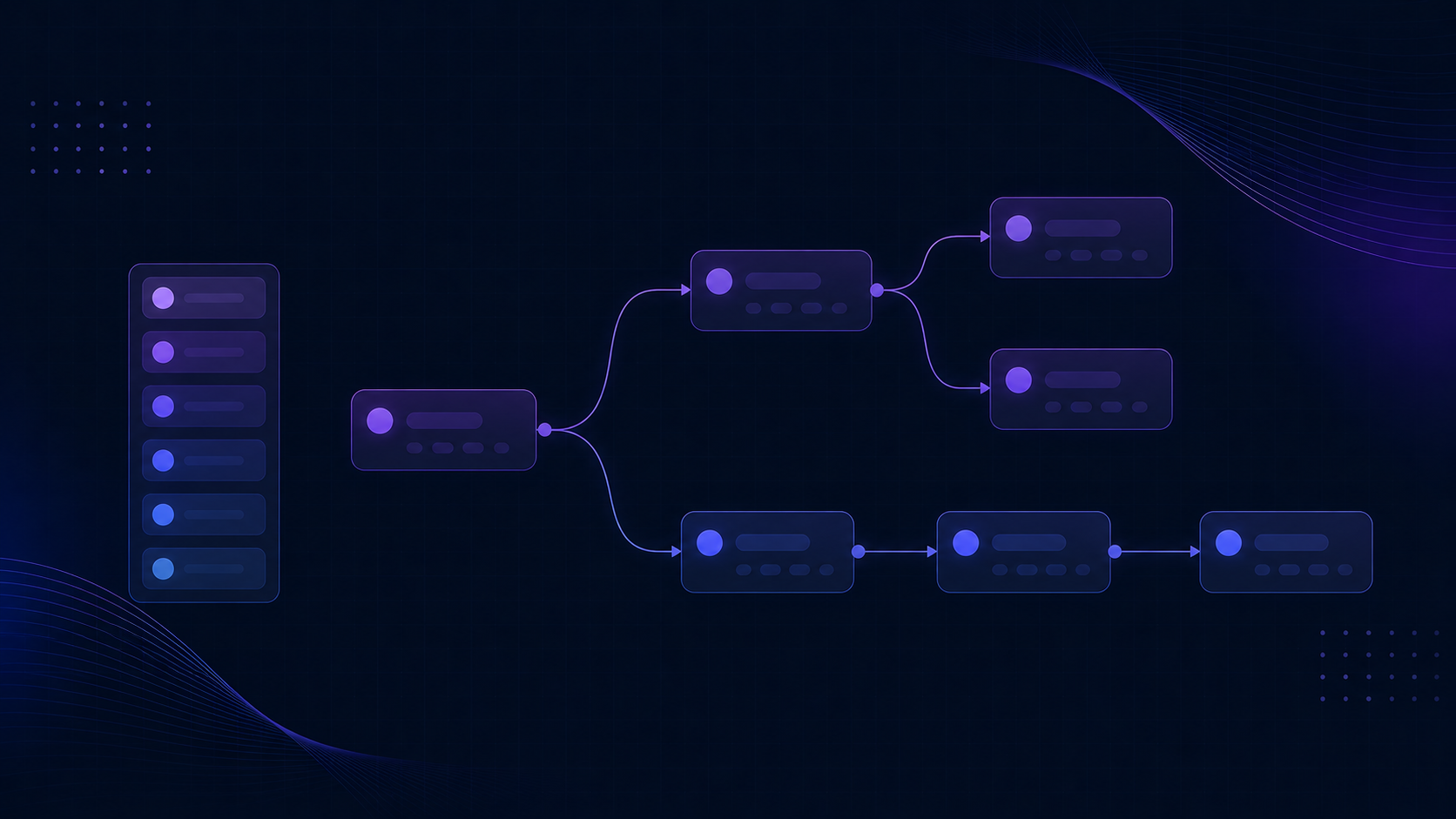
We design, build and modernise processes on IBM Business Automation Workflow — process modelling, external task implementations, event-driven routing with message events and UCAs, and integration with your systems of record.
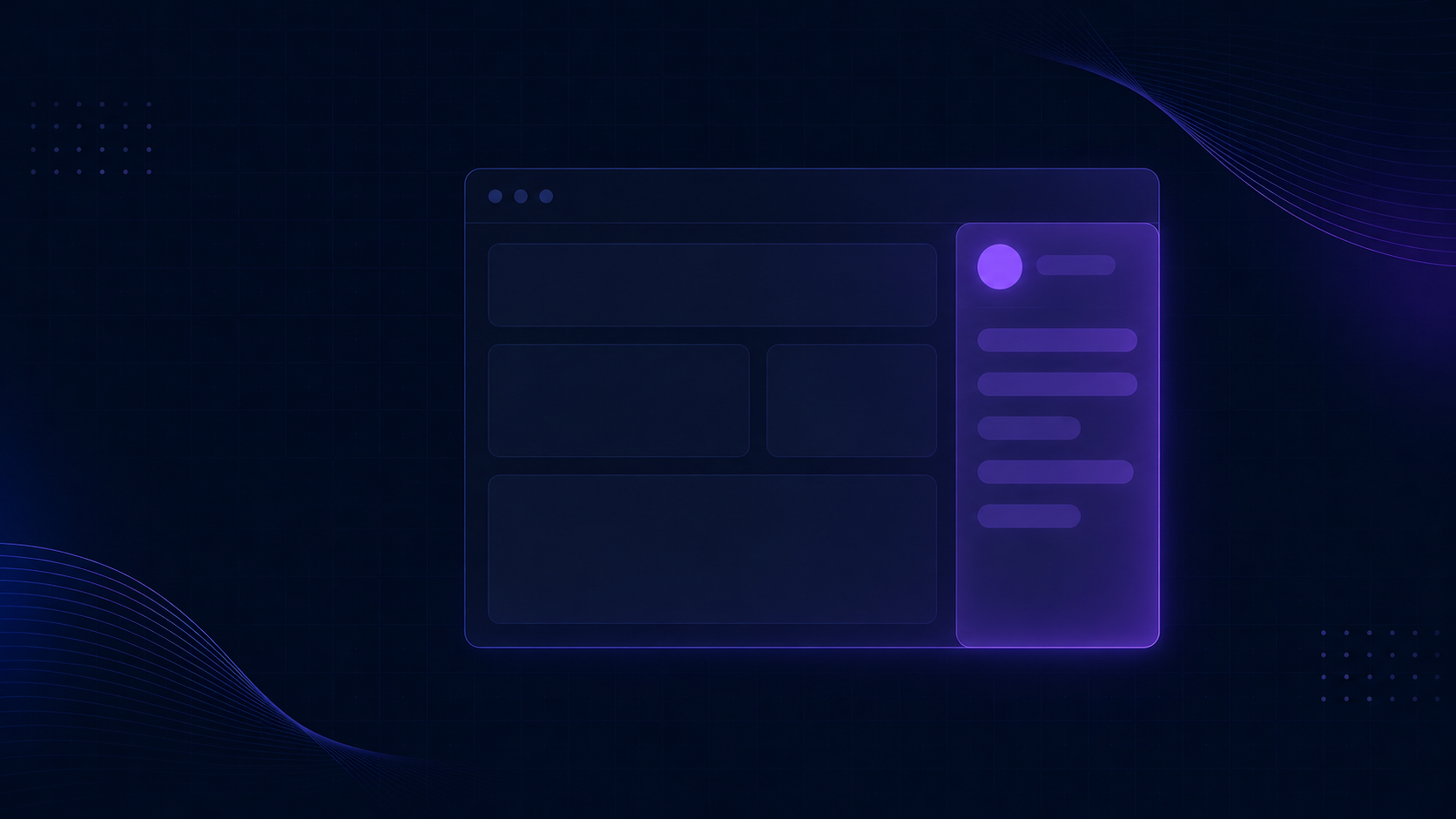
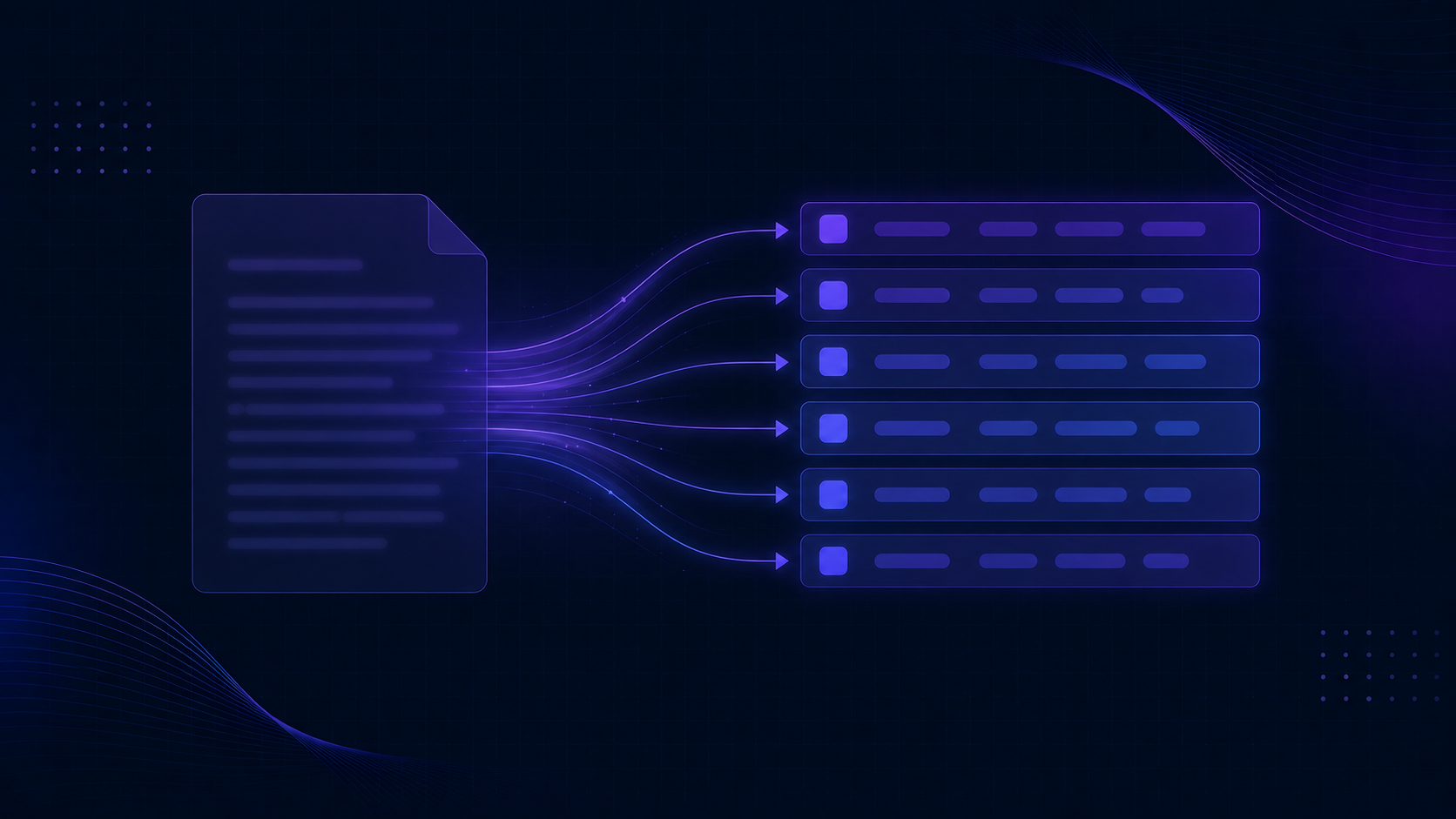
Claude Assistant tasks and coach views that install inside your BAW flows and screens. Configurable system prompts and tools, document classification with vision, data extraction, and guided suggestions for the person doing the work — delivered as components your process designers can drop straight into a flow.
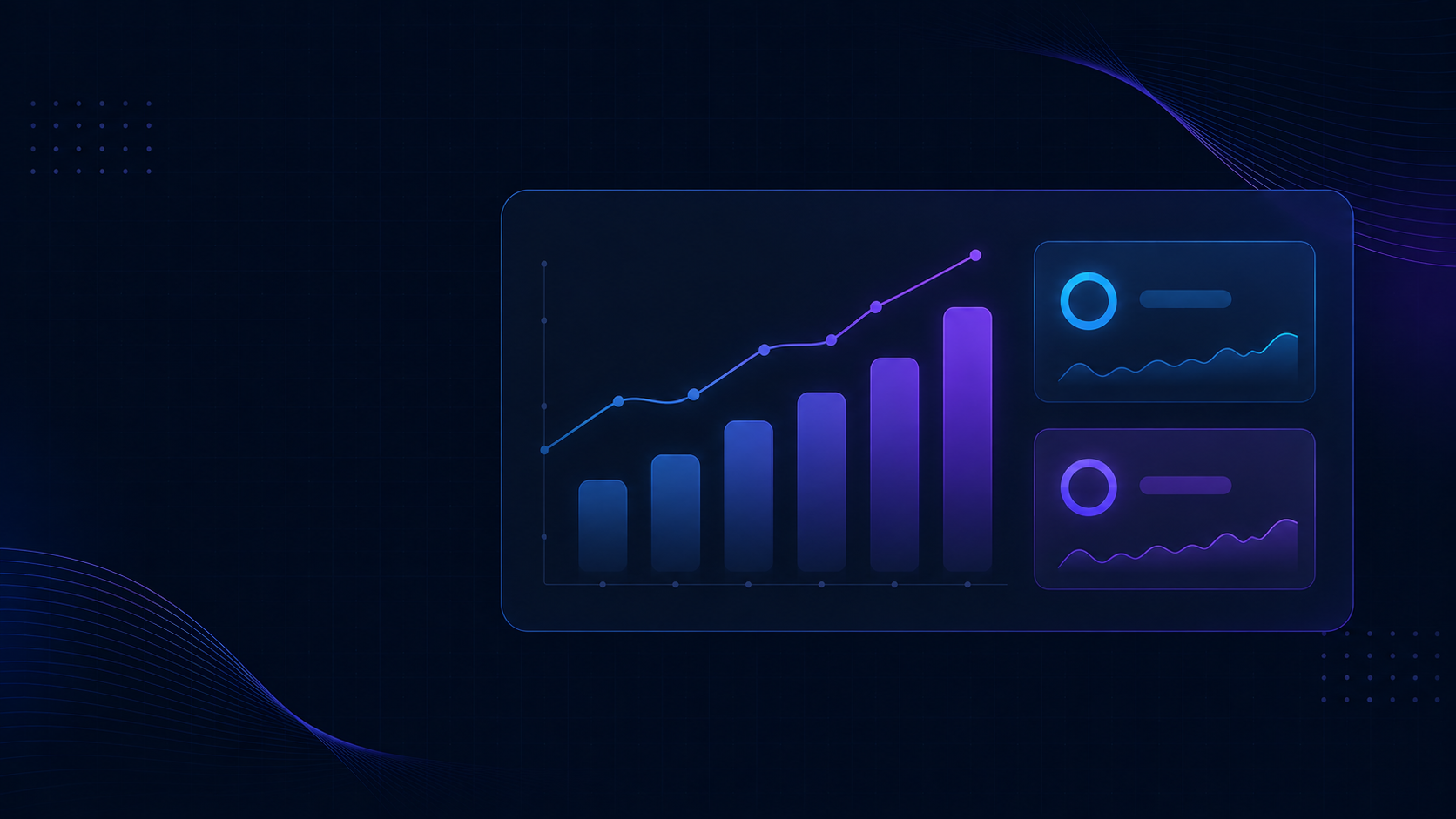
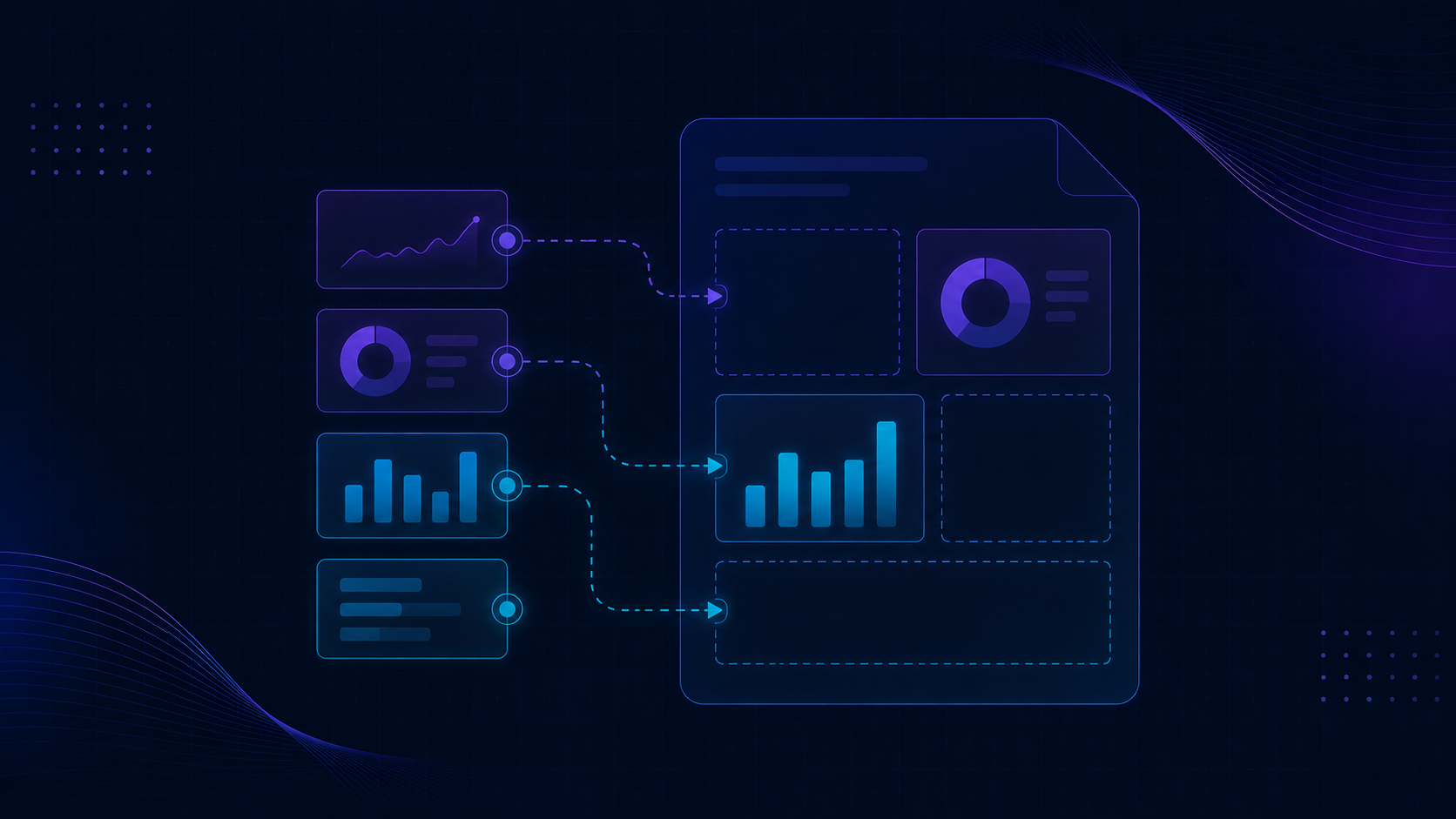
Let business users configure their own report pages without a developer. Claude receives only a description of your data structures — never the data itself — and emits validated JSON configuration plus read-only queries against sanitised, access-limited views. Teams get the reports they need without exposing anything they should not see.
During the discovery phase, the team works closely with the client to understand their unique needs and goals. This involves gathering requirements, conducting user research, and analyzing existing processes and workflows. This phase is critical for establishing a shared understanding of the project scope and objectives.
planning
Develop & Estimate a Project Plan
Based on the insights gathered during the discovery phase, the team collaborates with the client to develop a project plan that outlines the goals, deliverables, timeline, and budget. This plan may include milestones, sprints, and user stories to help guide the project and ensure that it stays on track.
design
Wireframe, Prototype & Design
Once the project plan is in place, the team begins designing the solution. This may involve creating wireframes, prototypes, and designs that align with the client’s branding and user needs. The design phase is iterative and involves regular feedback and collaboration between the team and the client.
development
Agile Development Process
With the design in place, the team moves into the development phase. This phase involves coding, testing, and integrating the solution into the client’s existing systems and workflows. The team follows an Agile development process, working in sprints to deliver working software on a regular basis and incorporating feedback and changes as necessary.
testing
Regular Testing
Throughout the development phase, the team conducts regular testing to ensure that the solution meets the client’s requirements and is free of bugs and errors. This may involve automated testing, manual testing, and user acceptance testing.
deployment
Configuration, Migration, Training
Once the solution has been thoroughly tested and approved by the client, the team deploys it to the production environment. This may involve migrating data, configuring the system, and providing training and support to users